Everyone reads a clock many times a day. Almost nobody asks why it counts in twenty-fours and sixties.
The unit. A decimal hour is a tenth of the day, 2.4 conventional hours. A decimal minute is 86.4 SI seconds.
The reading. Read the digits as a decimal: 3:43 is 0.343 of the day, or 34.3%.
The day. It still starts and ends at midnight. Only the numbering changes.
The doubt. A decimal minute is 86.4 seconds, an awkward number for anyone who counts in seconds. A three-minute egg becomes about 2.08 decimal minutes.
One turn of the dial
The day begins at 0:00. Nothing has gone yet.
6 am is 2:50. A quarter of the day has gone, and the clock says so.
Noon is 5:00. Exactly halfway.
Knock-off at 5 pm is 7:08. Seventy per cent done.
At midnight the reading reaches 10:00, and the next day starts again from zero.
Side by side
The Preservation of the Second
“The second will remain exactly as long as it has always been. It has always done good, clean work. We see no reason to interfere with it.”
Official statement of the About Time Party. Clocks would divide the day into decimal hours and minutes. Anything that needs seconds, from a laboratory to a 100-metre final, keeps using the SI second.
Try your own day
Enter any time to see it in decimal time.
You have been on this page for 0.00 decimal minutes, or 0 s by the SI second.
Clocks show the time of day in hours and minutes. Timers measure how long something takes, in decimal minutes or SI seconds, and say which.
3:12 decimal
31.2% of the day
7:08 decimal
is 17:00 on the old clock
Thirteen months. One shape.
Pick any month of 2026. The grid never changes; only the old dates underneath do. Limbo sits outside the week, which breaks the continuous seven-day cycle many religious observances depend on.
2026 Ordinary year: one Limbo day
What day is it? It isn’t. You may celebrate, rest, travel, do nothing, or decline invitations without explanation. Businesses may open or close. The legal and employment arrangements are still being worked out.
After day 28 of month 13 comes Limbo: one day, two in leap years, with no date, weekday or month. A deck of cards has 52 cards: four suits of thirteen. The year has 52 weeks: thirteen months of four. Limbo is the Joker, and leap years get a second one. Ace to King adds up to 91. Four suits make 364, exactly the number of regular days in the year.
Your birthday falls on the same weekday every year, as does every public holiday. Unless you were born during Limbo, in which case you shall remain in Limbo.
The months need names
The names and order of the months will go to public consultation. Three approaches are on the table.
- AFamiliar. Keep January to December in the usual order and add a thirteenth month at the beginning or the end.
- BRestored. Rearrange the months so September, October, November and December are once again the 7th, 8th, 9th and 10th, and add a new month.
- CNew. Create entirely new names, or a mixture of old and new.
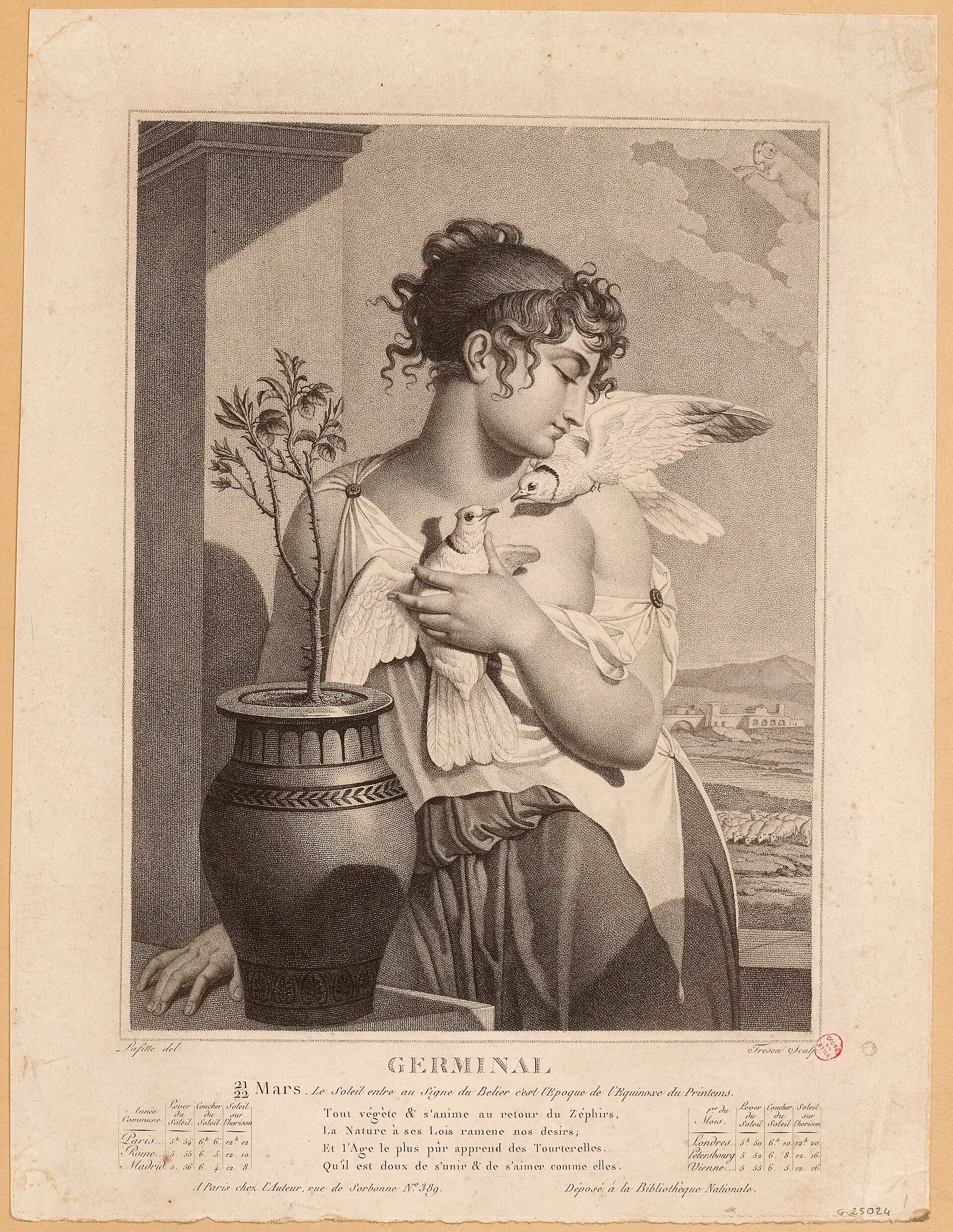
Germinal is the provisional name for the new month. It comes from the French Republican Calendar, where it was the seventh month. Nothing is decided and no votes are being collected yet.
The Daylight Question
The sun is not required to change its schedule. Why are we?
The sun has maintained a remarkably consistent approach to daylight. The About Time Party sees no compelling reason to involve it in administrative arrangements.
Why do we change our clocks when what we really want to change is how we use daylight? All three options below end seasonal clock changes.
- Working hours
- 9am–5pm
- Daylight before work
- 1 h 15 min (0.52 decimal h)
- Daylight after work
- none (0.00 decimal h)
Civil time stays fixed all year, and so do working hours. No clock changes and no coordinated schedule changes.
Daylight (illustrative) Working hours. Times are conventional standard time, roughly those of a central New Zealand city at midwinter and midsummer. The clock itself never changes.
- None of these creates more daylight. They change how working and leisure hours sit against the solar day.
- Earlier schedules can mean darker mornings. The effects differ by season, place and working arrangement.
- Times are illustrative, in conventional standard time. One conventional hour is about 0.4167 decimal hours.
- The size of the shift, whether it would be voluntary or required, and how it would work are all undecided. The party has not chosen an option.
Not a new idea
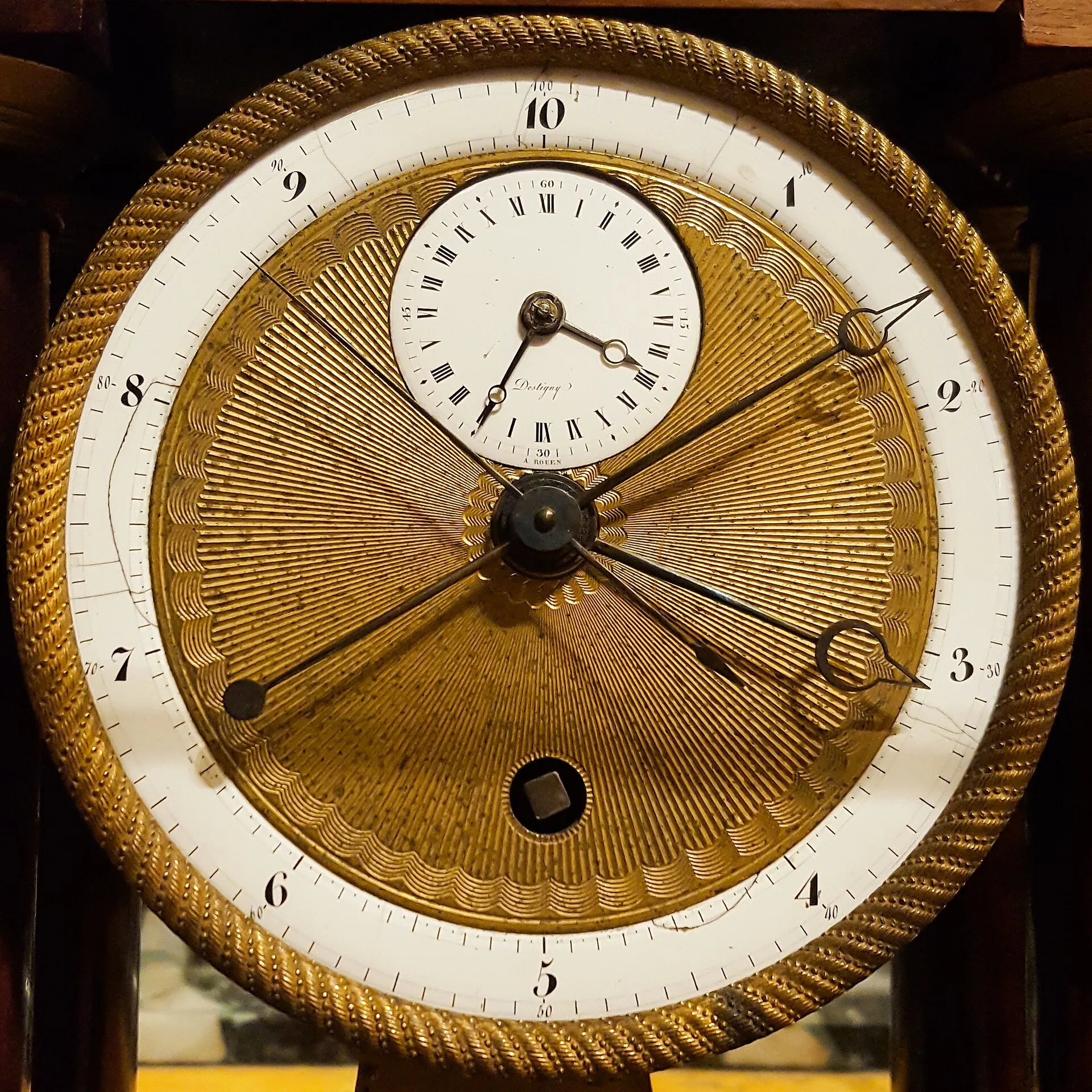
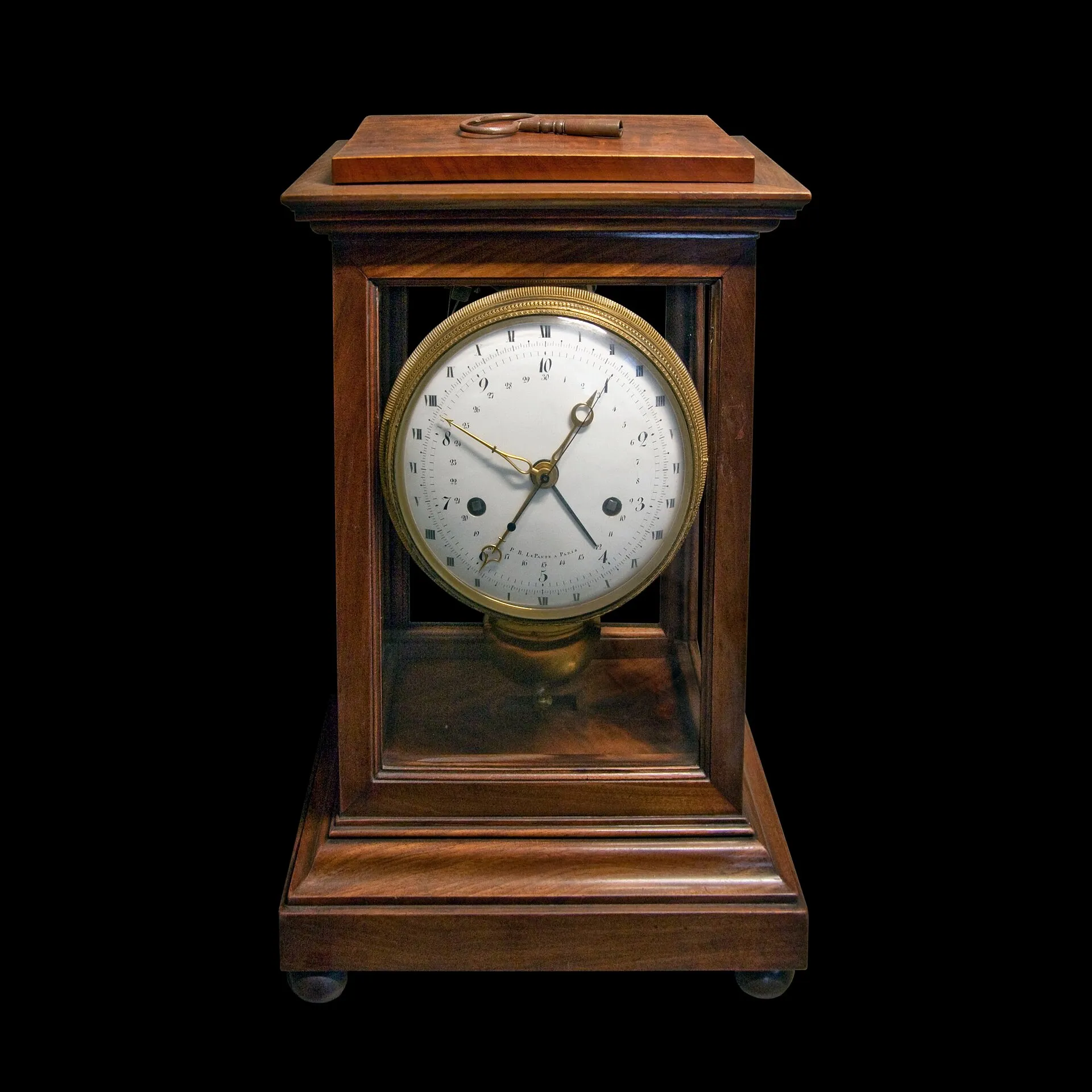
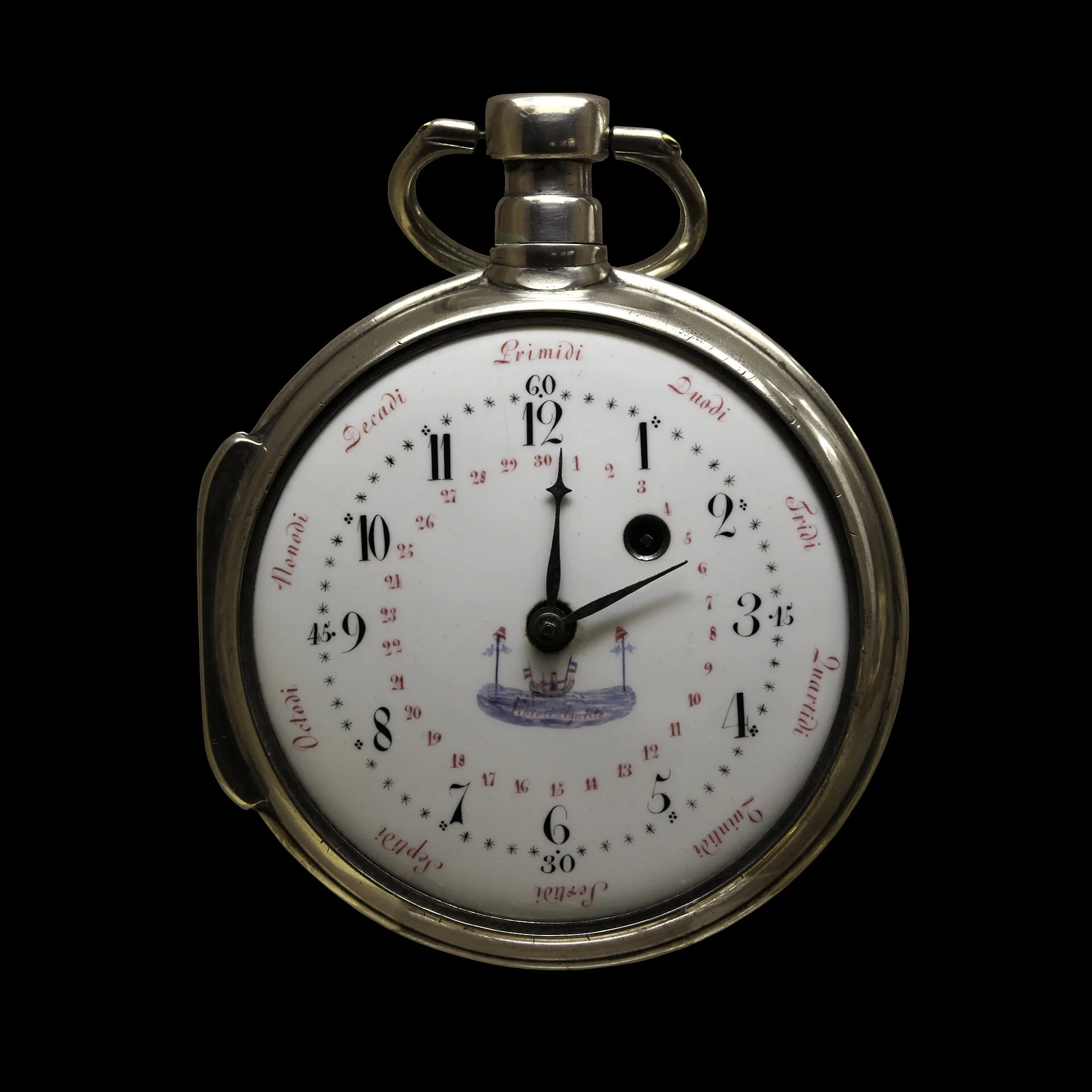
We’ve done this before.
New Zealand used to count money in pounds, shillings and pence. Twelve pennies to a shilling. Twenty shillings to a pound.
Then we changed it.
But our clocks still divide the day into 24 hours, each containing 60 minutes.
We think it’s reasonable to ask why.
We aren’t proposing to change the length of a second. We’re simply suggesting that perhaps it’s time to finish the job.
| Measure | Before | After | When |
|---|---|---|---|
| Money | 12 pence to a shilling, 20 shillings to a pound | 100 cents to a dollar | 1967 |
| Distance | Inches, feet, yards, chains, furlongs, miles | Millimetres, metres, kilometres | 1969–1976 |
| Weight | Ounces, pounds, stone, tons | Grams, kilograms, tonnes | 1969–1976 |
| Volume | Fluid ounces, pints, quarts, gallons | Millilitres, litres | 1969–1976 |
| Temperature | Fahrenheit | Celsius | 1969–1976 |
| Time of day | 24 hours of 60 minutes | 10 hours of 100 minutes | Not yet |
A generation learns a new system. Every generation afterwards inherits the benefits.
Changing the world’s clocks would be far harder than changing one country’s money. We don’t pretend otherwise. The full argument
If the clock you grew up with suddenly looks arbitrary, the manifesto explains why we think that matters.