Decimal Civil Time
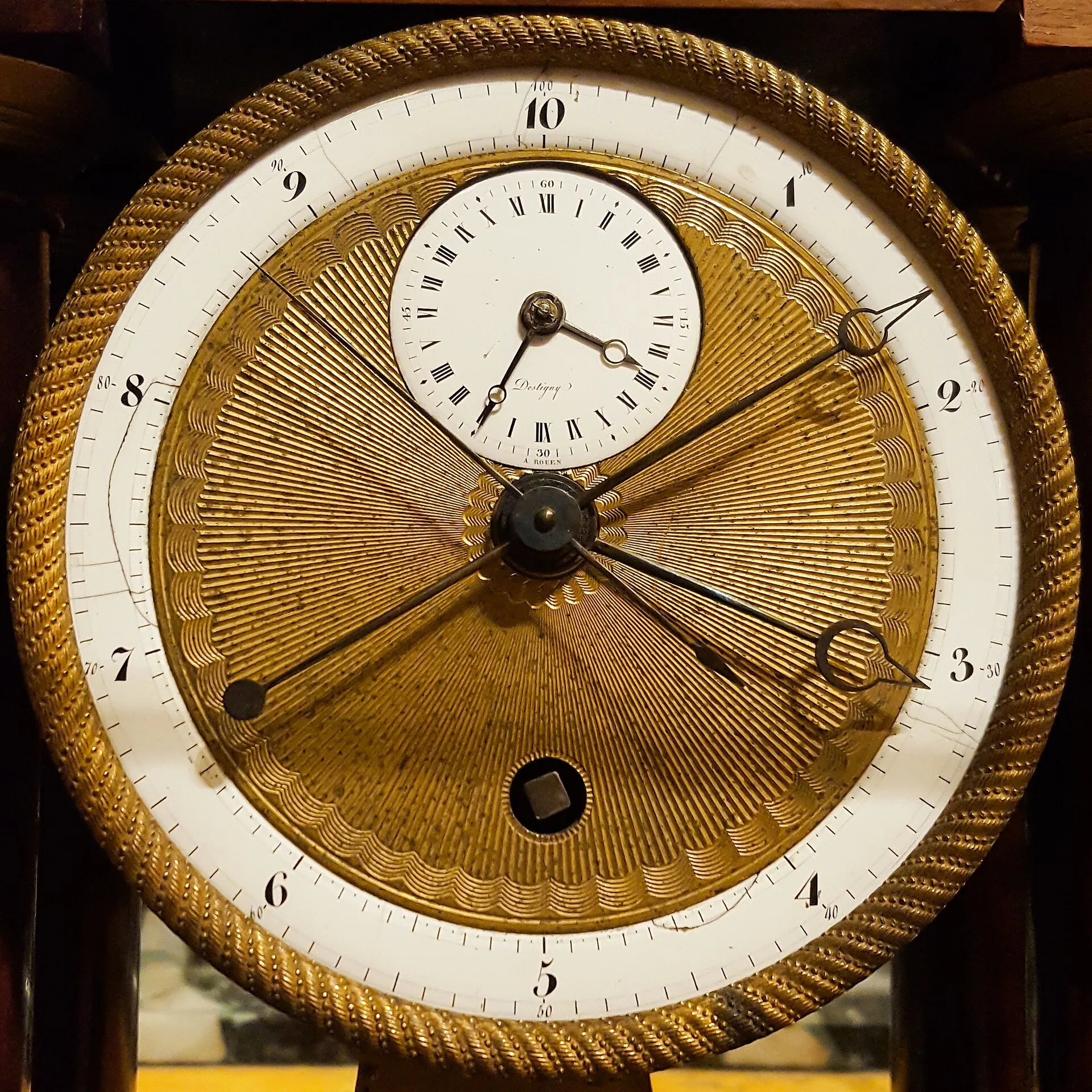
Ten hours in a day, a hundred minutes in an hour. The clock tells you how much of the day has gone.
The proposal
- 10 decimal hours per day
- 100 decimal minutes per hour, 1,000 per day
- Clocks show hours and minutes only
- Midnight is 0:00; midday is 5:00
- The SI second stays exactly as it is
The case for
- The reading is the percentage of the day elapsed: 3:43 means 34.3% has gone.
- Durations become decimal arithmetic. No carrying sixties, no am and pm.
- Half past five in the morning becomes 2:29. Lunch at 5:00 is exactly halfway through the day.
The case against
- A decimal minute is 86.4 seconds, an awkward number for anyone who counts in seconds. A three-minute egg becomes about 2.08 decimal minutes.
- Every clock, timetable and contract in the country would need converting, and the rest of the world would carry on as before.
- Familiarity has real value. Sixty divides by more numbers than a hundred does.
Not yet decided: How decimal time fits with our daylight saving reform, which would keep clocks unchanged all year and shift agreed working and activity schedules with the seasons instead. The size of that shift is still undecided.